
Solar Panel: What Is It? Explore OEM Suppliers for Quality Options
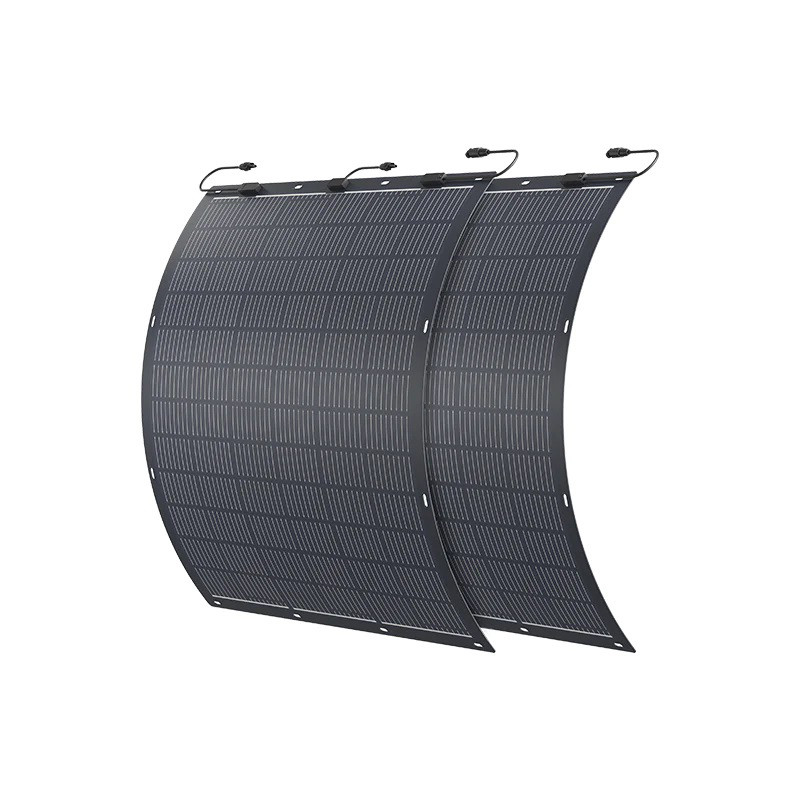
When exploring the world of renewable energy, I've often come across the term "solar panel." So, what is it exactly? Simply put, solar panels are devices that convert sunlight into electricity. They play a crucial role in harnessing solar energy, making them a great investment for businesses aiming to reduce energy costs and decrease their carbon footprint. As an OEM supplier, we provide high-quality solar panels tailored for various industrial needs. Our products are designed to meet the rigorous demands of today’s market and come with exceptional efficiency ratings. Partnering with us means you’re not just buying a product; you’re investing in a sustainable future for your business. With our extensive network of reliable suppliers, we ensure you receive the best products backed by outstanding customer service. If you’re ready to take the green leap, let's connect and explore how our solar panels can power your success.

Solar Panel What Is It Pioneers in the Field From Concept to Delivery
Solar panels represent a revolutionary solution in the quest for sustainable energy. These devices convert sunlight into electricity, providing a clean and renewable source of power that is not only environmentally friendly but also cost-effective in the long run. As global energy demands increase, the adoption of solar technology has become essential for both residential and commercial sectors. With advancements in efficiency and design, solar panels are now accessible to a broader audience, making them a viable option for energy-conscious enterprises and individuals alike. In today’s competitive market, companies that lead the charge in solar technology are constantly innovating, refining the entire process from concept to delivery. This includes harnessing cutting-edge manufacturing techniques to improve the longevity and efficiency of solar panels, ensuring that customers receive products that meet their specific energy needs. Collaborations with research institutions and technology partners have paved the way for breakthroughs that enhance performance while reducing costs, making solar energy an attractive choice for procurement in various industries. For global buyers, the transition to solar energy is a strategic decision that offers both economic and environmental benefits. Incorporating solar panels into operations can significantly lower electricity costs, while also showcasing a commitment to sustainability that appeals to consumers and stakeholders alike. As the market for renewable energy continues to grow, understanding the dynamics of solar technology and its practical applications will empower companies to make informed decisions, positioning them for success in an increasingly green economy.
Solar Panel: What Is It? Pioneers in the Field From Concept to Delivery
| Dimension | Details |
|---|---|
| Technology Type | Monocrystalline, Polycrystalline, Thin-film |
| Efficiency Range | 15% - 22% |
| Lifespan | 25-30 years |
| Applications | Residential, Commercial, Industrial, Off-grid |
| Environmental Impact | Low carbon footprint, recyclable materials |
| Market Growth | Projected CAGR of 20% over the next decade |
| Key Challenges | Initial costs, efficiency in low-light conditions |
Related Products
Solar Panel What Is It Where Service Meets Innovation Service Backed by Expertise
Top Selling Products
- Related Blog
- Reviews
