
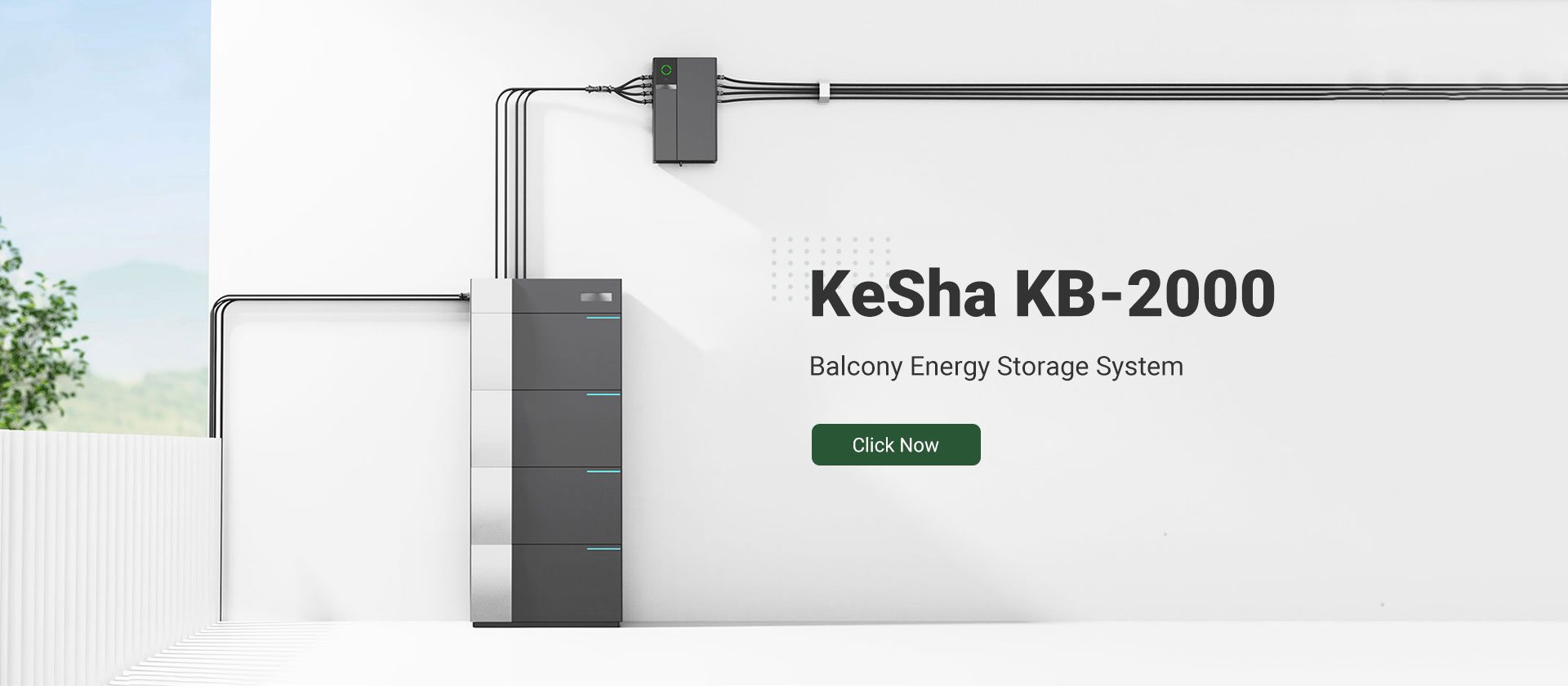
Key Drawbacks to Solar Energy: Insights from Wholesale Manufacturers
When considering solar energy, I’ve come across various drawbacks that I think are essential for B2B purchasers to know. While solar power is a fantastic renewable resource, potential challenges like initial installation costs, space requirements, and energy efficiency variations can impact their appeal. As a wholesale buyer, it’s crucial to evaluate manufacturers who not only understand these issues but also provide solutions tailored to your specific needs. Many manufacturers are now addressing these drawbacks with innovative technology and cost-effective materials, making it easier for businesses to integrate solar energy into their operations. By working with suppliers who recognize these limitations, you can ensure a more seamless transition to solar energy while mitigating potential downsides. It’s all about finding the right partner who’s transparent about the challenges and can offer reliable products to help your business thrive in a greener future. Let’s explore how we can tackle these concerns together!


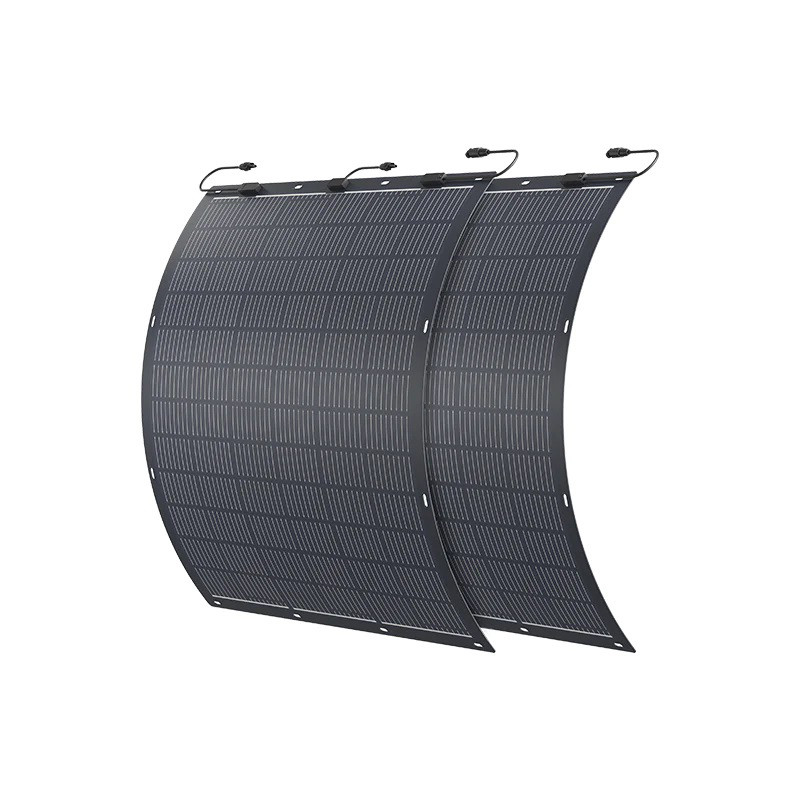
Drawbacks To Solar Energy Trusted by Pros Supplies the World\u2019s Top Brands
Solar energy has become increasingly popular as a clean and renewable alternative to conventional energy sources. However, like any technology, it comes with its drawbacks that prospective buyers should consider. Understanding these challenges can help businesses make informed decisions when investing in solar solutions. One of the primary drawbacks of solar energy is its dependence on weather conditions. Solar panels generate electricity effectively in sunny conditions but can be less efficient during cloudy days or rainy seasons. This intermittency may necessitate supplementary energy sources, particularly for businesses with high energy demands. Additionally, the initial investment for solar technology can be significant, which may deter some companies, especially smaller enterprises, from making the switch despite potential long-term savings. Another concern is the environmental impact associated with the manufacturing and disposal of solar panels. While solar energy itself is clean, the production process involves the use of certain materials that can have negative environmental effects. Furthermore, as technology evolves, older panels may become obsolete or harmful if not disposed of correctly. Companies must consider these factors and seek suppliers who prioritize sustainability throughout the entire lifecycle of their solar products. By weighing these drawbacks against the benefits, businesses can approach their energy transition with a balanced perspective.
Drawbacks To Solar Energy Trusted by Pros Supplies the World’s Top Brands
| Drawback | Description | Mitigation Strategies |
|---|---|---|
| High Initial Costs | Solar panel installation requires significant upfront investment. | Consider financing options, tax credits, and rebates to reduce costs. |
| Intermittent Energy Source | Energy production depends on sunlight availability, which can be unpredictable. | Use battery storage systems to store excess energy for use during cloudy days. |
| Space Requirements | Solar panels require a significant amount of space for installation. | Utilize rooftops, and consider community solar programs to maximize space usage. |
| Environmental Impact of Production | Manufacturing solar panels can have environmental consequences. | Choose panels from manufacturers with sustainable practices and recycling programs. |
| Energy Conversion Efficiency | Solar panels typically convert only a portion of sunlight into usable energy. | Invest in high-efficiency panels and systems to maximize energy output. |
Related Products

Drawbacks To Solar Energy Manufacturers You Can Rely On Factory-Direct Excellence
Top Selling Products
- Related Blog
- Reviews
