
Custom Components of a Solar System from Top Factories
When I think about the critical components of a solar system, I can't help but appreciate how each part works in harmony to create efficient energy solutions. Our custom solar components are designed specifically for factories aiming to cut down on operational costs while maximizing energy efficiency. These components are not just off-the-shelf products; they’re tailored to meet the unique needs of your manufacturing processes. By focusing on the specific requirements of factories, we ensure that you get a reliable solar solution that aligns perfectly with your production needs. It's all about making solar power work for you, without compromise. Let’s elevate your factory's energy generation with tailored components that promise performance and durability. Together, we can harness the sun's power in a way that benefits both your bottom line and the planet!

Component Of A Solar System For the Current Year Ahead of the Curve
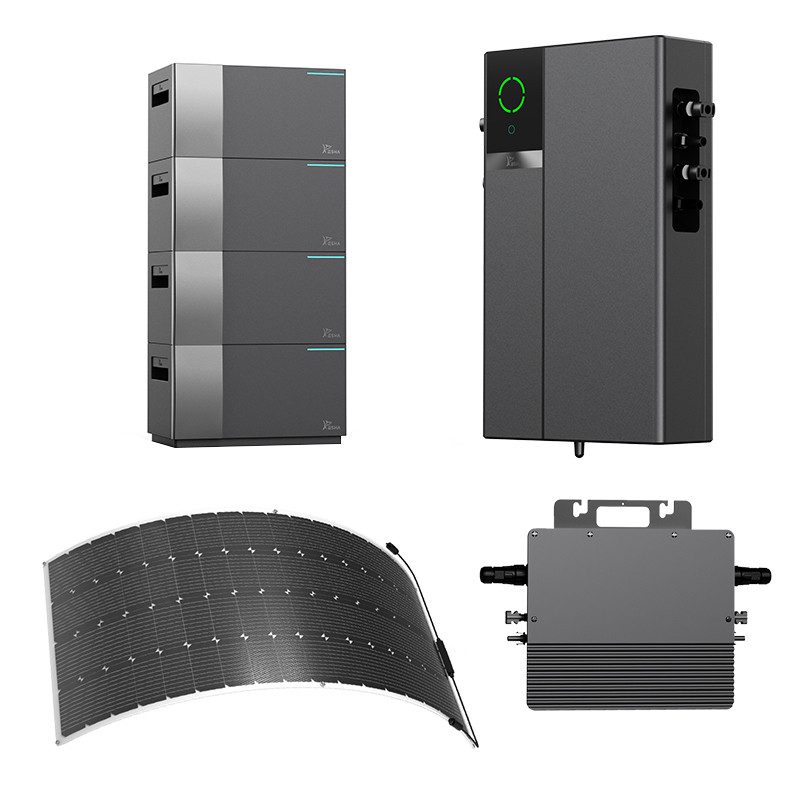
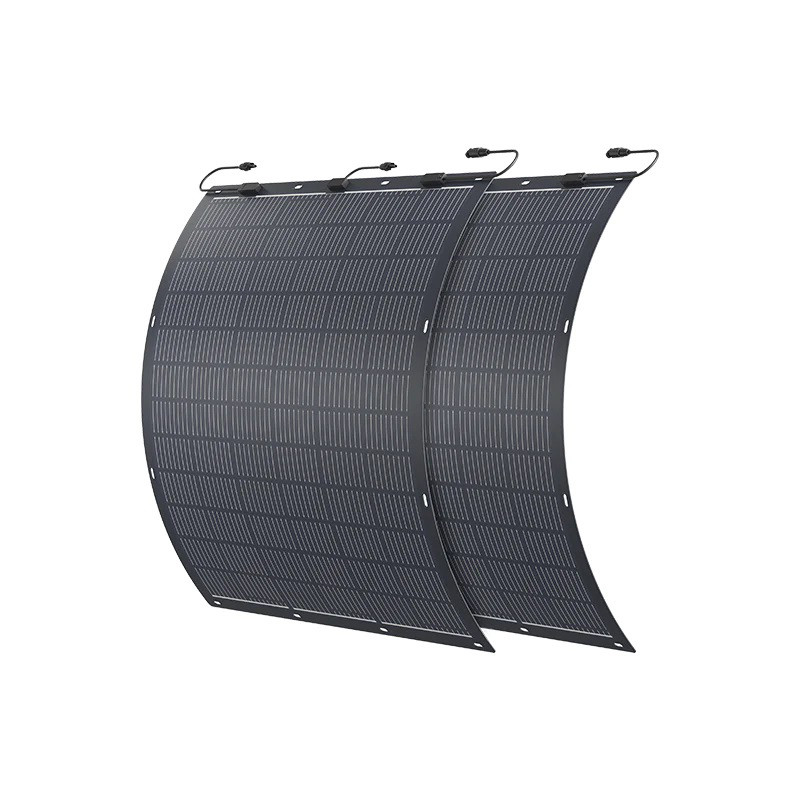
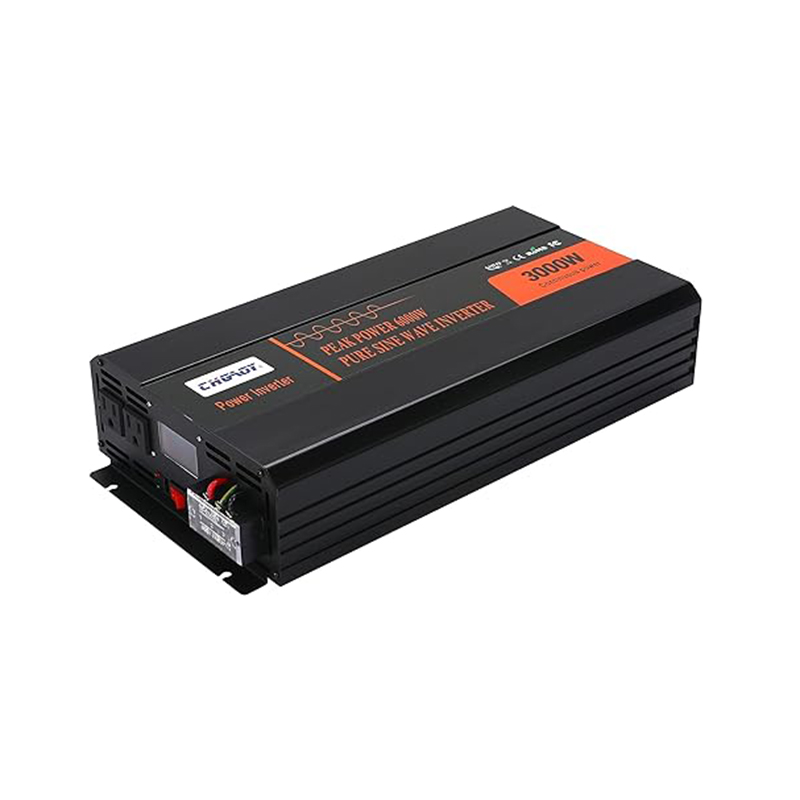
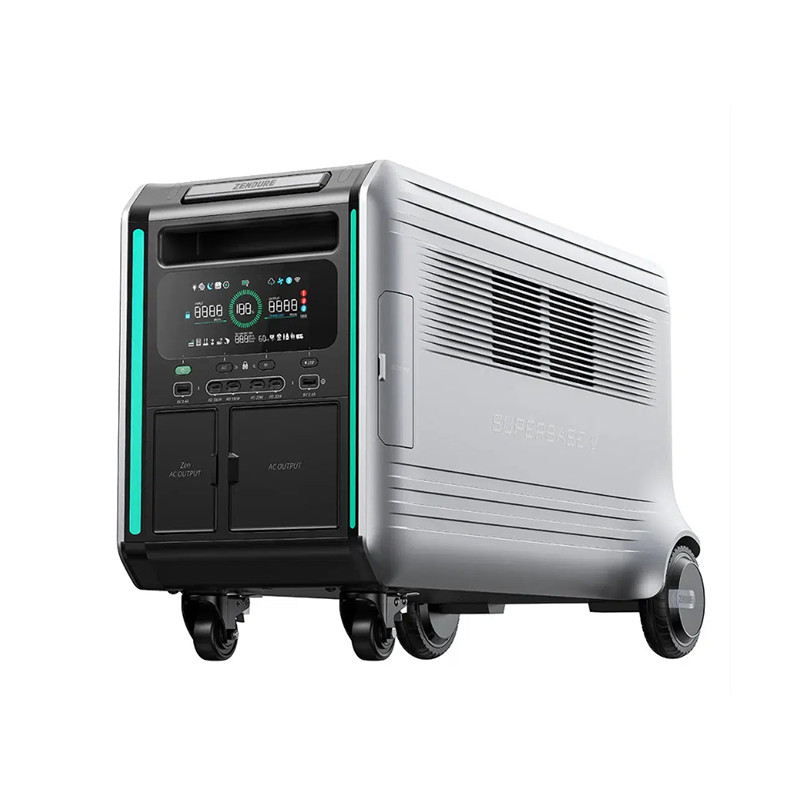
As we look ahead to the current year, the solar energy sector continues to evolve rapidly, driven by advances in technology and increasing demand for sustainable solutions. A comprehensive solar system comprises several key components, each playing a vital role in harnessing and converting sunlight into usable energy. Understanding these components is essential for global buyers seeking to invest in solar technology and enhance their renewable energy portfolios. At the core of any solar system are solar panels, which capture sunlight and convert it into electricity. With innovations in photovoltaic technology, the efficiency of these panels continues to improve, resulting in higher energy output with smaller physical footprints. In addition to solar panels, inverters are crucial as they convert the direct current (DC) generated by the panels into alternating current (AC), which is the standard electricity form for most applications. Furthermore, energy storage systems, such as batteries, allow users to store excess energy generated during the day for use at night or during cloudy conditions, enhancing the reliability of solar energy. Beyond these essential components, other technologies like smart monitoring systems and mounting structures play a significant role in optimizing solar performance. Smart monitoring systems enable real-time tracking of energy production and usage, ensuring that systems operate efficiently and maintenance needs are immediately identified. As the demand for renewable energy grows, understanding these components and their integration will empower global purchasers to make informed decisions and invest in cutting-edge solar solutions that align with their sustainability goals.
Component Of A Solar System For the Current Year Ahead of the Curve
| Component | Description | Efficiency (%) | Material | Lifespan (Years) |
|---|---|---|---|---|
| Solar Panel | Photovoltaic module converting sunlight to electricity | 20-22 | Monocrystalline Silicon | 25 |
| Inverter | Converts DC electricity to AC electricity | 95-98 | Various | 10-15 |
| Battery Storage | Stores excess energy for later use | 85-90 | Lithium-Ion | 10-15 |
| Mounting System | Structure to support solar panels | N/A | Aluminum | 20-30 |
| Charge Controller | Regulates voltage and current from solar panels | N/A | Various | 5-10 |
Related Products
Component Of A Solar System Supplies the World\u2019s Top Brands Where Service Meets Innovation
Top Selling Products
- Related Blog
- Reviews
